Why Micro SaaS Tools Are Winning
Explore why Micro SaaS tools are gaining popularity over traditional enterprise platforms, focusing on cost-effectiveness and niche solutions.
 By Anthony PhillipsPublished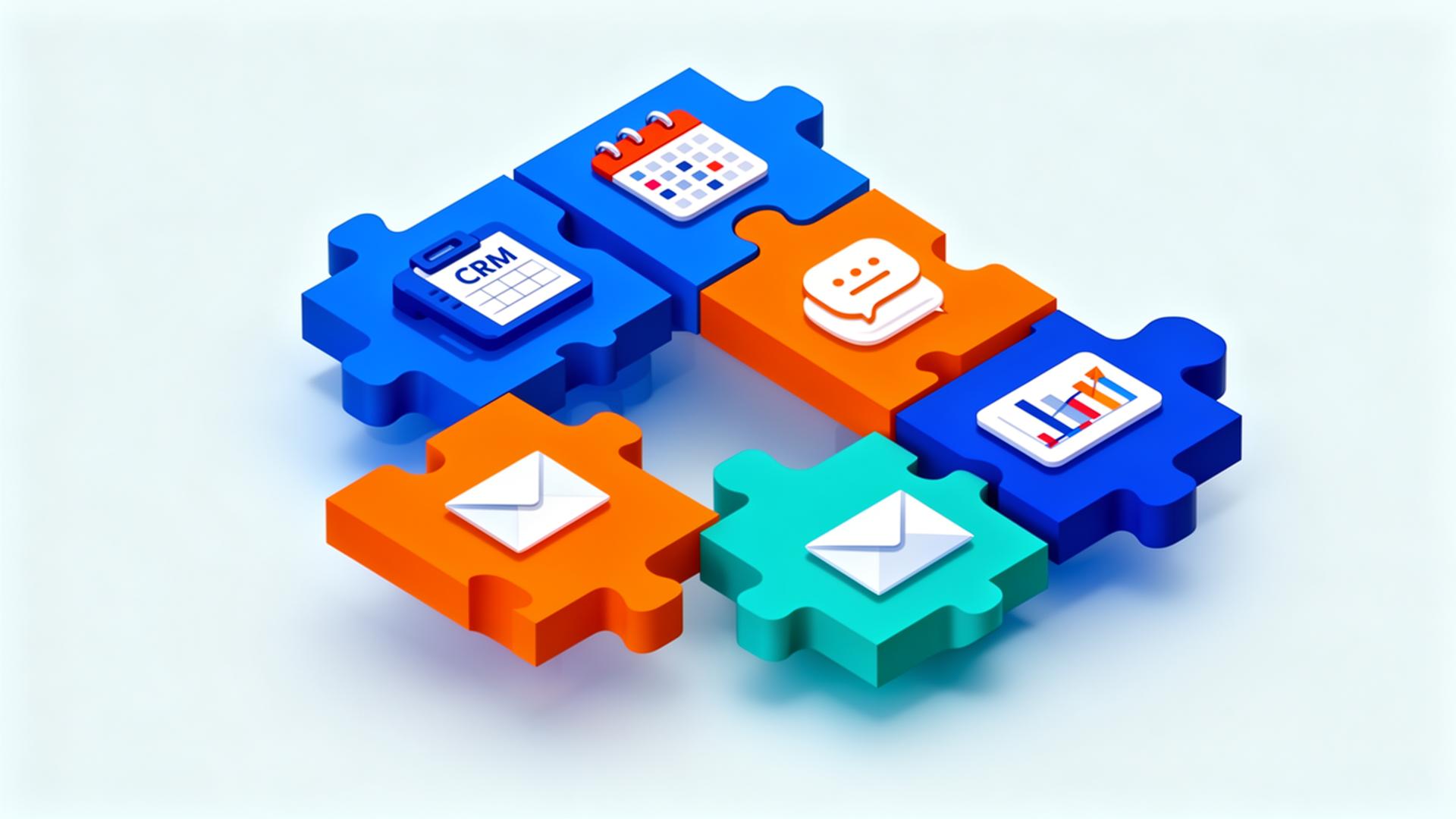
Introduction
In recent years, the software landscape has witnessed a significant shift. Micro SaaS tools are emerging as formidable players, challenging the dominance of traditional enterprise platforms. This transformation is particularly relevant for small business owners in the UK, who are increasingly seeking agile, cost-effective solutions tailored to their specific needs. In this article, we delve into why Micro SaaS tools are winning and how they are shaping the future of software services.
Understanding Micro SaaS Tools
Micro SaaS tools are defined by their focus on niche markets and specific problems. Unlike traditional SaaS platforms that offer broad, all-encompassing solutions, Micro SaaS tools are designed to address particular pain points with precision. This specialisation allows them to deliver highly targeted functionalities that meet the unique requirements of their users. For instance, a Micro SaaS tool might focus solely on improving email marketing for small retail businesses, offering features that are overkill for larger enterprises but perfect for smaller operations.
Moreover, the rise of cloud computing has further facilitated the growth of Micro SaaS. With cloud infrastructure, these tools can be deployed globally without the need for significant upfront investment in hardware. This accessibility means that even the smallest of businesses can leverage sophisticated tools that were once the preserve of larger corporations.
Market Growth and Opportunities
The Micro SaaS market is experiencing growth, driven by the increasing demand for customised solutions that can be developed quickly and at a lower cost. For small businesses, this means access to tools that are not only affordable but also adaptable to their evolving needs. Additionally, the low barrier to entry for developers means that innovation is rapid and continuous, with new features and improvements regularly introduced to meet market demands.
In addition, the global reach of digital marketplaces has opened up new opportunities for Micro SaaS developers. Platforms like the Shopify App Store or Slack's App Directory allow developers to reach a worldwide audience with minimal marketing expenditure. This accessibility ensures that even niche products can find their audience, further driving the growth of the Micro SaaS ecosystem.
Advantages of Micro SaaS Tools
Cost-Effectiveness
One of the primary advantages of Micro SaaS tools is their cost-effectiveness. By focusing on specific functionalities, these tools require less development time and resources, resulting in lower pricing for end-users. This is particularly beneficial for small businesses operating on tight budgets. Furthermore, the subscription-based model often employed by Micro SaaS providers ensures that businesses only pay for what they need, avoiding the hefty upfront costs associated with traditional software purchases.
Additionally, Micro SaaS tools often come with flexible pricing models, such as tiered subscriptions or pay-as-you-go options, which allow businesses to scale their usage according to their needs. This flexibility is crucial for startups and small businesses that may experience fluctuating demand.
Faster Development and Deployment
Micro SaaS tools can be developed and deployed much faster than their enterprise counterparts. This agility allows businesses to quickly implement solutions and respond to market changes, providing a competitive edge in fast-paced industries. For example, a small e-commerce business can swiftly integrate a Micro SaaS tool that optimises their checkout process, thereby reducing cart abandonment rates and increasing sales.
The rapid development cycle also means that Micro SaaS tools can incorporate user feedback more quickly, leading to continuous improvement and a better user experience. This iterative approach ensures that the tools remain relevant and effective in addressing the changing needs of their users.
Better Market Fit
By targeting niche markets, Micro SaaS providers can create solutions that are finely tuned to the needs of their users. This results in higher customer satisfaction and retention rates, as businesses receive tools that align closely with their operational requirements. A Micro SaaS tool designed for freelance graphic designers, for instance, might include features like client management and invoicing, which are highly relevant to their workflows.
This focus on niche markets also allows Micro SaaS providers to build strong communities around their products. By engaging directly with their user base, these providers can foster loyalty and drive word-of-mouth referrals, which are invaluable for growth.
The Decline of Enterprise Platforms
While Micro SaaS tools are on the rise, traditional enterprise platforms are facing challenges. The complexity and high costs associated with these platforms are becoming less appealing to small businesses. Additionally, the one-size-fits-all approach of enterprise solutions often leads to feature bloat, where users pay for functionalities they do not need or use. This inefficiency not only wastes resources but also complicates the user experience, leading many to seek simpler, more focused alternatives.
Vendor Lock-In
Enterprise platforms often come with the risk of vendor lock-in, where businesses become dependent on a single provider for all their software needs. This dependency can limit flexibility and increase costs over time, prompting businesses to seek alternatives like Micro SaaS tools that offer greater freedom and adaptability. With Micro SaaS, businesses have the flexibility to switch providers or integrate multiple tools to create a customised software ecosystem that best suits their needs.
The Role of AI and Technology
Advancements in AI and technology are further propelling the growth of Micro SaaS tools. AI-powered development allows for the creation of smarter, more efficient tools that can automate tasks and provide insights, enhancing the value offered to users. This technological edge is something that traditional enterprise platforms are struggling to match. For instance, a Micro SaaS tool that uses AI to analyse social media trends can help small businesses tailor their marketing strategies in real-time, a capability that is often lacking in larger, more cumbersome platforms.
Furthermore, the integration of machine learning algorithms into Micro SaaS tools can enable predictive analytics, offering businesses foresight into market trends and consumer behaviour. This proactive approach empowers businesses to make informed decisions and stay ahead of the competition.
Challenges and Considerations
Despite their advantages, Micro SaaS tools are not without challenges. Security is a major concern, as smaller providers may not have the resources to implement robust security measures. Businesses must carefully evaluate the security protocols of any Micro SaaS tool they consider. Additionally, the narrow focus of these tools means that businesses might need to integrate multiple Micro SaaS solutions to cover all their operational needs, which can complicate workflows if not managed properly.
To mitigate these challenges, businesses should consider using integration platforms that allow for seamless communication between different Micro SaaS tools. This approach can help streamline operations and ensure that all tools work together harmoniously.
Conclusion
The rise of Micro SaaS tools marks a significant shift in the software industry. For small business owners in the UK, these tools offer a compelling alternative to traditional enterprise platforms, providing cost-effective, niche solutions that are tailored to their specific needs. As the software landscape continues to evolve, embracing Micro SaaS tools could be the key to staying competitive and agile in an increasingly dynamic market. By leveraging the unique advantages of Micro SaaS, businesses can not only optimise their operations but also drive innovation and growth in their respective fields. Explore our Pick & Mix Micro SaaS Tools to see how a modular platform could replace your enterprise stack.
Ready to Take the Next Step?
Book a free consultation with the Ready Made Digital team and explore how we can help grow your business.
Get in Touch