Is Just Being an Internet Marketing Franchise Enough?
Explore why being just an internet marketing franchise isn't enough in today's dynamic digital landscape and how to adapt.
 By Anthony PhillipsPublished
The Evolving Landscape of Internet Marketing
In today's fast-paced digital world, the landscape of internet marketing is evolving at an unprecedented rate. The traditional model of operating solely as an internet marketing franchise is no longer sufficient to guarantee success. As we move towards 2026, businesses are increasingly realising the necessity of adopting a multi-disciplinary approach to stay competitive. The digital realm is not static; it is a dynamic ecosystem that requires constant adaptation and innovation to meet the ever-changing demands of consumers and the market.
The Rise of Multi-Channel Marketing
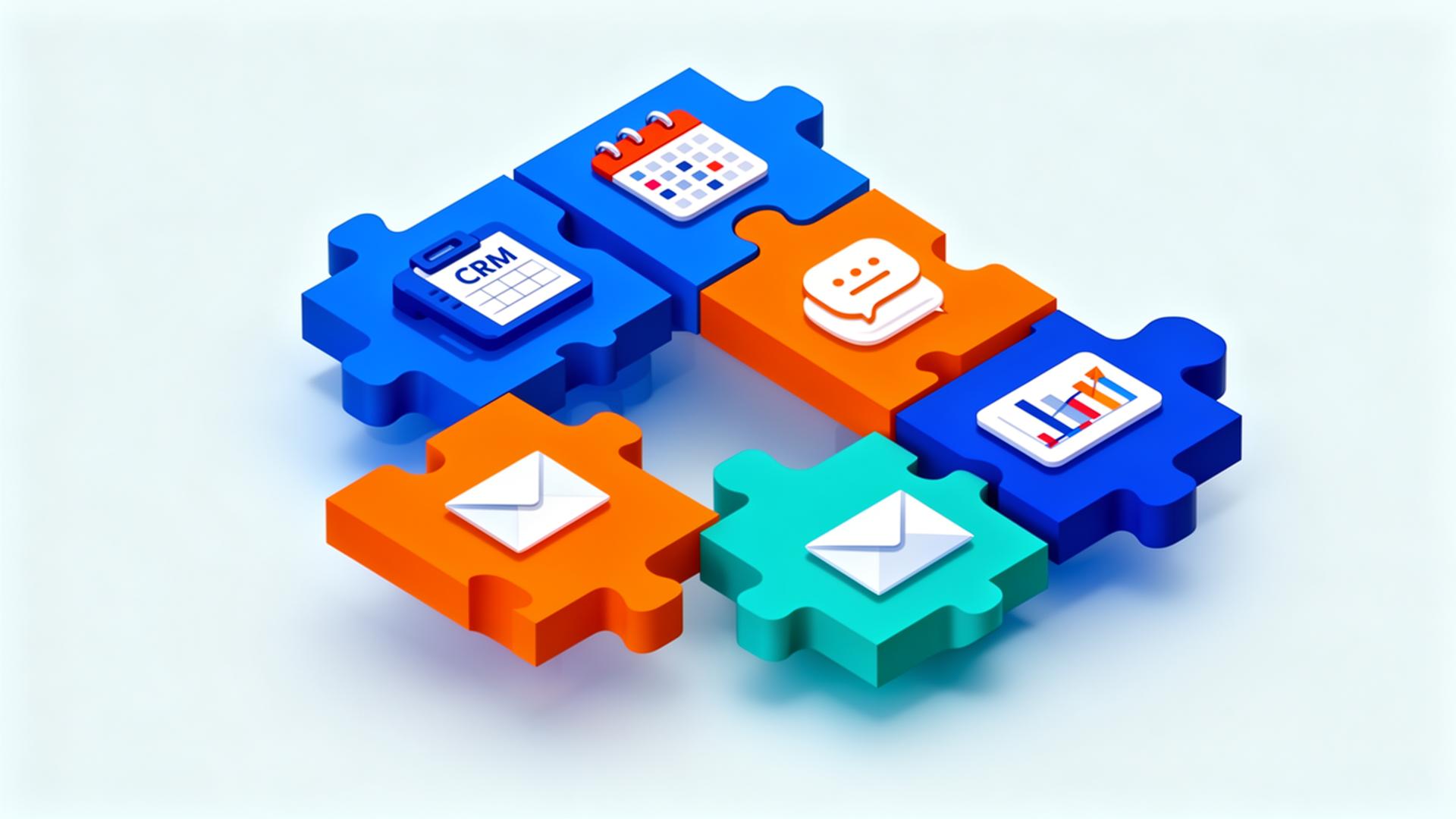
One of the significant trends in franchise marketing is the shift towards multi-channel strategies. According to recent research, franchises that leverage multiple channels for marketing their products and services can potentially see improved engagement and conversion rates. This approach allows businesses to reach their target audience through various touchpoints, enhancing brand visibility and customer interaction. For example, a franchise might use social media platforms, email marketing, SEO, and content marketing in tandem to create a cohesive brand message. This not only maximises reach but also ensures that the message is consistent across all platforms, building trust and recognition among consumers.
Moreover, multi-channel marketing is not just about using different platforms; it's about understanding how these platforms interact and complement each other. For instance, a social media campaign might drive traffic to a website, where SEO-optimised content further engages the audience. This interconnectedness is crucial for creating a seamless customer journey that leads to higher conversion rates.
Integrating AI and Automation
Artificial Intelligence (AI) and automation are no longer futuristic concepts; they are integral components of modern marketing strategies. AI enables businesses to personalise customer experiences, predict consumer behaviour, and optimise marketing campaigns in real-time. Automation, on the other hand, streamlines processes, reduces manual workload, and enhances operational efficiency. For an internet marketing franchise, integrating AI and automation is crucial to remain relevant and competitive.
Consider the use of AI-driven chatbots that provide instant customer service, answering queries and guiding users through their purchasing journey. This not only improves customer satisfaction but also frees up human resources for more complex tasks. Additionally, AI can analyse vast amounts of data to identify trends and patterns that might not be immediately apparent to human analysts, allowing for more informed decision-making.
Furthermore, automation tools can help franchises schedule and manage social media posts, email campaigns, and other marketing activities, ensuring consistency and timeliness. This allows marketing teams to focus on strategy and creativity rather than getting bogged down by repetitive tasks.
The Importance of Design and User Experience
Design and user experience (UX) play a pivotal role in digital marketing. A well-designed website or application not only attracts users but also retains them. As franchises expand their online presence, investing in high-quality design and UX becomes imperative. This includes everything from intuitive navigation to visually appealing content that resonates with the audience. A poor UX can lead to high bounce rates, where users leave the site almost immediately, often due to slow load times, confusing layouts, or irrelevant content.
To enhance UX, franchises should focus on responsive design, ensuring that websites and applications function seamlessly across different devices and screen sizes. Additionally, incorporating user feedback into design updates can help address pain points and improve overall satisfaction. By prioritising UX, franchises can foster a positive brand image and encourage repeat interactions, which are crucial for long-term success.
Convergence of Skills: The New Norm
The convergence of skills across various domains is becoming the new norm in the marketing industry. The lines between marketing, communication, and technology are blurring, necessitating a holistic approach. This convergence allows businesses to create cohesive strategies that address multiple facets of customer engagement and brand building. For instance, a marketing professional today might need skills in data analysis, content creation, and social media management, all of which are essential for crafting effective campaigns.
Economic Pressures and the Need for Adaptation
Economic pressures are compelling franchises to adapt quickly to changing market conditions. With increasing competition and shifting consumer preferences, businesses must be agile and responsive. This requires a combination of strategic thinking, technological integration, and creative problem-solving skills. Franchises that can swiftly pivot their strategies in response to economic shifts are more likely to maintain their market position and capture new opportunities.
For example, during economic downturns, a franchise might focus on cost-effective digital marketing strategies, such as content marketing and organic social media engagement, rather than expensive ad campaigns. This adaptability not only helps in weathering economic storms but also positions the franchise as a resilient and innovative player in the industry.
Specialisation vs. Generalisation
While some argue for the benefits of specialising in a particular niche, the current trend is towards generalisation. A multi-disciplinary approach allows franchises to offer a broader range of services, catering to diverse client needs. This flexibility is particularly beneficial in a dynamic market where consumer demands are constantly evolving. By offering a variety of services, franchises can attract a wider client base and reduce dependency on a single revenue stream.
However, this does not mean abandoning specialisation altogether. Instead, franchises should aim for a balanced approach, where they maintain expertise in core areas while also expanding their capabilities to include complementary services. This strategy not only enhances the franchise's value proposition but also provides clients with a one-stop solution for their marketing needs.
Conclusion: Beyond the Traditional Franchise Model
In conclusion, being just an internet marketing franchise is no longer enough to ensure success in the current digital landscape. To thrive, businesses must embrace a multi-disciplinary approach, integrating AI, design, automation, and more. By doing so, they can navigate the complexities of the modern market, meet the evolving needs of their customers, and secure a competitive edge. Discover how our franchise opportunity goes beyond traditional internet marketing.
As we look towards the future, the convergence of skills and the integration of technology will continue to shape the trajectory of internet marketing. Franchises that adapt to these changes will not only survive but thrive in this rapidly evolving industry. The key is to remain flexible, continuously learn, and innovate, ensuring that the franchise is always at the forefront of the digital marketing landscape.
Ready to Take the Next Step?
Book a free consultation with the Ready Made Digital team and explore how we can help grow your business.
Get in Touch